

Vetiver
What Does Vetiver Smell Like?
Vetiver smells earthy, woody and slightly smoky, with a dry, root-like texture and a bitter green edge. Think of soil clinging to pulled-up roots beside dry wood, rather than freshly cut grass. In perfume, it can feel dark and rugged or surprisingly clean, with a grapefruit-like brightness.
- Core smell: Earthy woods and roots
- Texture: Dry, fibrous, sometimes rough
- Freshness: Green or bitter-citrusy
- Sweetness: Usually low
- Smokiness: Subtle to pronounced
- Can feel: Nutty, leathery or dusty
- Typical role: Gives woods depth and definition
- Common position: Base; often noticeable earlier
- Often appears in: Woody, aromatic and chypre perfumes
- Pairs well with: Grapefruit, lavender, cedar, patchouli
- Closest overlap: Cedar’s dryness and patchouli’s earthiness
- Adds to a fragrance: Dry contrast to sweetness
All Vetiver Fragrances

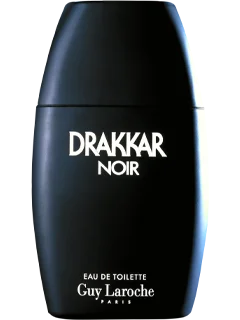
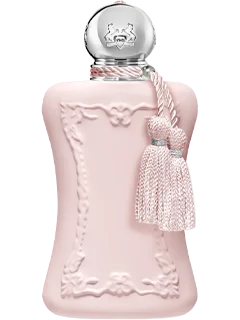
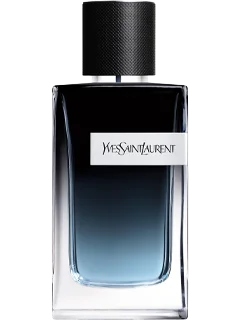


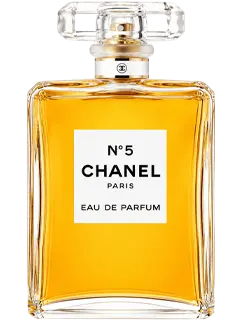

Why vetiver can smell fresh and earthy at the same time
Vetiver combines two impressions that can seem contradictory: the density of roots and soil, and a crisp, almost citrus-like lift. One perfume may bring out its dry grass and wood facets; another may emphasize smoke, leather or a faint roasted-nut nuance. These are different sides of the note, rather than a single fixed smell.
Calling it grassy can be misleading. Its greenness is often bitter and fibrous, closer to dried stems or roots than a freshly mown lawn. The earthiness can feel outdoorsy and appealing, but a strongly rooty treatment may also seem rough, dusty or too severe if you prefer soft, sweet fragrances.
Where the vetiver note comes from
Natural vetiver oil is distilled from the roots of a tropical grass. Although it belongs to the woody family in perfumery, it does not come from tree wood. The roots provide its characteristic earthy, woody aroma.
Haitian vetiver often has a brighter, grapefruit-like edge alongside dry woods and nutty facets. Javanese vetiver tends to lean more heavily toward smoke, earth and leather. These are useful tendencies rather than a promise about every perfume: processing and the surrounding formula also shape what you smell.
Perfumers can use the whole oil, refined fractions or blends of aroma materials to shape a vetiver effect. A refined vetiver heart, for example, can emphasize clean, dry woods and citrus-like freshness. A perfume’s vetiver note therefore need not reproduce every earthy or smoky facet of the original essential oil.
What vetiver adds to a perfume
Vetiver often supplies the dry structure that remains when brighter notes fade. It can give a citrus perfume a more substantial finish, interrupt the softness of musk or add contrast to an otherwise sweet accord.
It is commonly used as a base note, but that does not mean it only appears after hours of wear. Its green or smoky edge may be apparent early, especially in a composition built around it. In smaller amounts, you may notice a firm woody outline rather than an obvious smell of roots.
Which notes pair well with vetiver?
- Grapefruit and bergamot: Citrus can draw attention to vetiver’s bitter freshness, creating a connection between a bright opening and a dry woody finish.
- Lavender: The herbal-floral freshness can make vetiver feel more aromatic, with the roots adding depth underneath the cleaner upper notes.
- Cedar: The combination emphasizes dry woods. Cedar can make the effect feel more like cut timber, while vetiver contributes earthier texture.
- Patchouli: Together they can build a deeper earthy base, especially when a perfume also contains warm spices or resins.
- Tonka bean and musk: These can soften vetiver’s rougher edges. The result may feel smooth or powdery while retaining a dry woody foundation.
Vetiver vs. patchouli, cedar and sandalwood
- Patchouli: Both can smell earthy. Patchouli can introduce a leafy, mossy or camphor-like effect, whereas vetiver more often suggests fibrous roots, dry wood and a bitter edge.
- Cedar: Cedar, particularly Virginia cedar, often recalls pencil shavings or freshly cut wood. Vetiver usually adds a more root-like texture, with earthy or smoky nuances.
- Sandalwood: Sandalwood generally feels smoother and creamier. Vetiver is more likely to introduce a wiry, dry texture, even when the overall perfume is soft.
How to recognize vetiver in a fragrance
Follow the woody part of the fragrance as its brightest notes settle. Look for a dry, slightly bitter texture underneath the citrus, herbs or sweetness. In a darker treatment, that texture may become smoky or leathery; in a cleaner one, it can stay crisp and almost grapefruit-like.
No single impression proves that you are smelling vetiver. Cedar, patchouli, incense and other woody materials can overlap with it. Comparing fragrances that use vetiver differently is more useful than expecting every perfume containing it to smell like damp soil.
Perfumes that show different sides of vetiver
Creed Absolu Aventus shows its smoky side against grapefruit, pineapple and warm spices. The contrast helps explain how vetiver can connect bright fruit with a darker woody base without making the whole fragrance smell like bare roots.
Burberry Touch for Men EDT illustrates a quieter supporting role. Vetiver gives dry woody depth beneath violet leaf, pepper, cedar and a soft tonka-musk finish. It is an example of vetiver adding structure to a gentle fragrance, rather than dominating its scent.