What does sandalwood smell like?
Imagine a woody scent with rounded edges: less like fresh sawdust and more like smooth wood with a soft, almost creamy warmth. Sandalwood can have a milky quality, but that describes its texture rather than the literal smell of milk. A gentle sweetness often sits underneath without turning it into a dessert scent.
That softness is only part of its range. Depending on the sandalwood material and the perfume around it, the impression can become drier, spicier, cleaner or subtly smoky. A fragrance built around sandalwood and leather will therefore smell quite different from one that places it beneath vanilla and white flowers.
Natural sandalwood and sandalwood accords
Natural sandalwood oil comes from the aromatic wood and roots of trees in the Santalum genus. Santalum album, commonly called Indian sandalwood, is particularly associated with creamy, sweet woodiness. Australian Santalum spicatum is another perfumery source, while New Caledonian sandalwood can offer a clean, creamy woody character.
Species and growing location are separate details: Indian sandalwood can also be grown in Australia. A geographic description alone does not always identify the botanical material.
Perfumers also use sandalwood aroma chemicals, either alongside natural oil or to construct a sandalwood accord. These materials can emphasize different aspects of the smell, including milkiness, woody fullness, rosy nuances or a more radiant presence. The word “sandalwood” in a note list describes the intended scent impression; it does not reveal the complete formula.
What does sandalwood add to a perfume?
Sandalwood often gives a fragrance a lasting woody foundation while smoothing the transition between flowers, spices and the base. It can make a floral perfume feel fuller or give a fresh composition warmer depth as the opening fades.
Although it is commonly treated as a base note, its effect may be noticeable from the first spray. It can remain a supporting texture or become the main subject of the fragrance. Creamy also does not automatically mean quiet: some sandalwood materials have considerable strength and diffusion.
Which notes pair well with sandalwood?
- Vanilla: Vanilla brings out sandalwood’s sweeter side, creating a softer, more enveloping base that can become gourmand.
- Musk: Musk can extend its smoothness into a clean, skin-like or powdery finish, depending on the materials used.
- Rose and white flowers: Sandalwood gives floral notes a warmer foundation and can make their texture feel creamier without adding obvious sugar.
- Cardamom: Its cool aromatic spice adds contrast, keeping a sandalwood composition lively rather than uniformly soft.
- Cedar: The combination balances creamy warmth with drier woody definition, making the overall structure feel firmer.
Sandalwood vs cedar, vetiver and vanilla
Cedar often has a drier, more pencil-like character, especially in Virginia cedarwood styles. Sandalwood usually feels rounder and creamier. When both appear together, the dry woodiness and soft texture may come from different parts of the blend.
Vetiver tends toward rooty, earthy or grassy woodiness, sometimes with smoke or grapefruit-like nuances. Sandalwood’s characteristic warmth is generally smoother and less earthy.
Vanilla is different again: it gives a more recognizable sweet vanilla aroma. Sandalwood can soften a fragrance without making it smell like vanilla, cake or custard. A creamy woody perfume is not necessarily a sweet perfume.
How to recognize sandalwood in a fragrance
Follow the perfume beyond its first burst of citrus, fruit or spice. Look for a persistent woody layer with a rounded, smooth texture beneath the more obvious notes. Compare the scent early on with its later dry down: sandalwood may become easier to distinguish as brighter materials recede.
Some wearers perceive a dill or pickle-like impression in Santal 33, while others mainly notice woods, spice and leather. That response concerns a particular finished composition; it is not a universal description of sandalwood or proof of which individual material caused the association.
Perfumes that show different sides of sandalwood
- Santal 33 EDP: Australian sandalwood joins cedar, cardamom, violet, iris and leathery-musky notes. It illustrates a drier, spicier and more rugged sandalwood style rather than straightforward creamy sweetness.
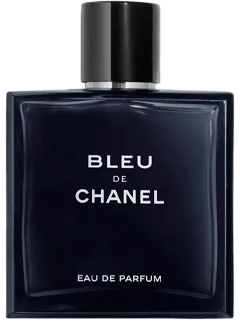
- Bleu de Chanel Parfum: New Caledonian sandalwood and cedar form a warm woody core beneath aromatic freshness. It shows how sandalwood can add smoothness and depth while the fragrance remains clean and distinctly woody.
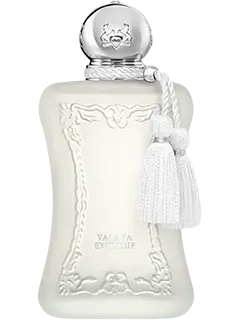
- Parfums de Marly Valaya Exclusif: Sandalwood supports almond, white flowers, vanilla and white musks. Here it contributes to a creamy, powdery floral texture rather than standing alone as an exposed wood note.