

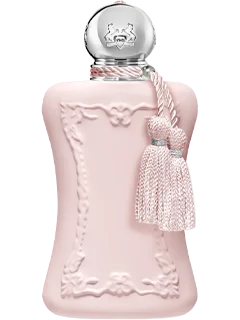
Parfums de Marly Delina
What Does Parfums de Marly Delina Smell Like?

Expert Rating
4.4 / 5
Scent Overview
Delina smells like a chilled lychee split open beside a freshly cut rhubarb stalk and a bowl of velvety pink roses. The fruit is juicy but sharply tart, so the fragrance feels brighter and more acidic than its pale-pink bottle suggests. Rose quickly becomes the center, with a lightly spicy edge keeping the sweetness in check.
As it dries, soft musk and cashmeran smooth the rose while vetiver adds a dry woody-green finish. The result is polished, feminine and highly noticeable without becoming a dense gourmand. Its main dividing line is the rhubarb: fans find the sourness sparkling and modern, while others experience it as sharp or almost medicinal.
Performance Ratings

Longevity
4.2 / 5

Sillage
4.1 / 5

Versatility
4 / 5

Opening
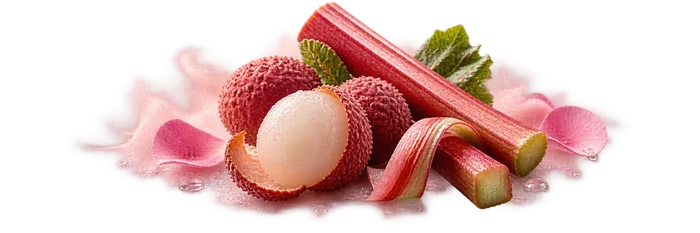
Delina opens with a tart-sweet collision of lychee and rhubarb, lifted by bergamot. The lychee smells juicy and rosy rather than tropical, while rhubarb gives the fruit a mouth-puckering green acidity that keeps the first spray from becoming candy-like. Bergamot adds extra brightness, but the opening is defined more by sour fruit than by conventional citrus freshness.
This is also Delina at its most polarizing. Some wearers describe the rhubarb as sparkling and addictive; others find it piercing, medicinal or too acidic. The fragrance projects confidently from the start, and the rose is already visible behind the fruit, so the opening feels like a prelude to the floral heart rather than a separate fruity phase.
Heart
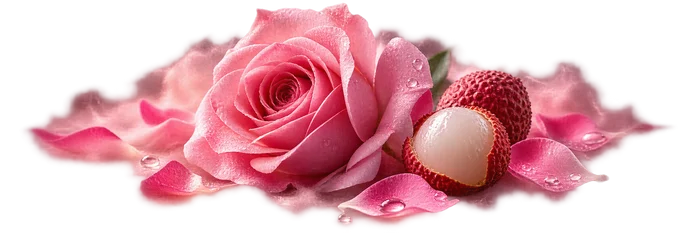
Damascena rose takes control as the sharpest fruitiness relaxes. The rose feels fresh, plush and slightly sweet rather than dark or jammy, while nutmeg adds a subtle dry spice that prevents the floral center from becoming too soft. The remaining lychee keeps a watery-fruity glow around the petals, so Delina stays bright even as it becomes more overtly romantic.
Parfums de Marly’s broader Delina Collection page also describes peony and vanilla around this stage, although the current product page lists only Damascena rose and nutmeg in the heart. In wear, the effect is indeed smoother and creamier than a two-note description suggests. The heart is elegant and very feminine, but anyone who dislikes prominent rose will find it difficult to escape.
Dry Down
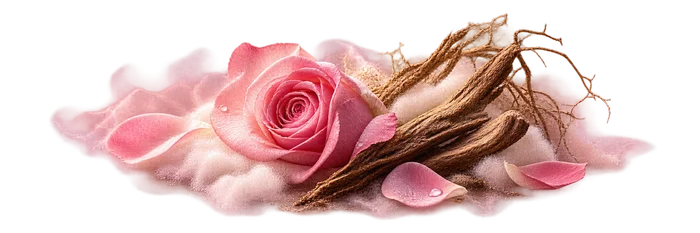
Cashmeran, musks and vetiver form the official dry down, turning Delina from tart fruit and rose into a softer, warmer skin scent. Cashmeran adds a smooth woody-musky texture, the musks make the floral trail feel clean and diffusive, and vetiver contributes a dry green edge that stops the finish from becoming overly plush. A residual sweetness remains around the rose without turning the base into a dessert accord.
Performance is a major strength. Parfumo currently rates longevity at 8.4/10 and sillage at 8.1/10, placing both clearly above average. Heavy application can make the sour rose-musky trail tiring in close spaces. Delina remains one of the most recognizable modern rose fragrances, combining strong performance and polish with a tart rhubarb signature that is memorable but not universally easy.
Pros
- The lychee-rhubarb opening gives the rose profile a distinctive tartness instead of generic fruity sweetness.
- Damascena rose remains clear and elegant through the heart without turning excessively jammy or heavy.
- Strong aggregate longevity and sillage make the fragrance reliable for events and long days.
- Musks, cashmeran and vetiver give the dry down enough structure to balance the bright fruit and florals.
- The combination of freshness, femininity and strong performance works especially well for dates, weddings and polished daytime wear.
Cons
- Rhubarb can smell sharply sour, medicinal or almost metallic to people who dislike acidic fruity notes.
- The rose is prominent for most of the wear, making Delina a poor choice for anyone who is not already comfortable with rose fragrances.
- Strong projection can become intrusive in offices or crowded indoor spaces if sprayed heavily.
- Its high retail price makes the value proposition difficult for buyers who find the scent merely pleasant rather than distinctive.
- The popularity of Delina and its many inspired-by fragrances has made its once-unusual tart rose profile feel more familiar today.

FAQ
What does Parfums de Marly Delina smell like?
Parfums de Marly Delina smells like tart lychee and rhubarb wrapped around a prominent Damascena rose, followed by soft musks, cashmeran and dry vetiver. The overall effect is fruity, rosy and feminine, but noticeably tangier and less syrupy than many sweet rose perfumes.
How long does Parfums de Marly Delina last?
Parfums de Marly Delina generally has strong longevity. Parfumo currently rates it 8.4/10 from more than 2,300 ratings, and many wearers get eight hours or more. Skin, climate and application still matter, but the fragrance performs clearly above average overall.
Does Parfums de Marly Delina have strong projection?
Delina projects strongly, especially during its tart lychee-rhubarb opening and rose-heavy heart. Parfumo currently rates its sillage at 8.1/10, so a few sprays can create a noticeable trail. Restrained application is sensible in offices and other close indoor environments.
Is Parfums de Marly Delina a sweet perfume?
Delina is sweet, but its sweetness is balanced by tart rhubarb, bergamot, dry vetiver and the fresh character of the rose. It does not smell like a dense gourmand; the signature is closer to sweet-and-sour fruit wrapped around a polished floral core.
Why does Delina smell sour or sharp to some people?
The sour impression comes mainly from rhubarb interacting with bright bergamot and juicy lychee. Rhubarb gives Delina a green, acidic bite that some wearers find sparkling and refreshing, while others perceive the same effect as sharp, medicinal or slightly metallic.
What is the difference between Delina and Delina Exclusif?
Original Delina is brighter, tarter and fresher, emphasizing lychee, rhubarb and rose. Delina Exclusif is denser, sweeter and more ambery, with pear, incense and a stronger vanilla-musk base. The original suits daytime and spring more easily, while Exclusif leans richer and more evening-oriented.
Is Parfums de Marly Delina a safe blind buy?
Delina is not a completely safe blind buy because its rhubarb acidity and prominent rose are both polarizing, and the price is high. People who enjoy tart fruity florals may find it immediately appealing, but anyone sensitive to sharp fruit or rose should sample it on skin first.