The fresh and honeyed sides of orange blossom
Orange-flower water is a useful reference for this note: recognizably floral, lightly sweet and touched with citrus freshness. Orange blossom absolute gives a fuller interpretation, with warmer petals, green nuances and a honey-like undertone. That honeyed quality is part of its floral character; it does not mean a perfume contains a separate honey note.
The balance changes with the composition. A transparent orange blossom can feel almost freshly washed, while a richer version feels rounded and heady. Alongside vanilla or sugary accords, the flowers may suggest scented sweets. In a cleaner blend, they can bring orange-flower soap to mind. Neither impression describes every orange blossom perfume.
Where does the orange blossom note come from?
Natural orange flower absolute comes from the blossoms of the bitter orange tree, Citrus aurantium var. amara. The flowers undergo solvent extraction to produce a concrete, which is then purified with alcohol to obtain the absolute. This differs from the distillation used to make neroli.
In a fragrance description, however, orange blossom names a smell rather than revealing the complete formula. Perfumers can use the natural absolute, recreate aspects of the flower with aromatic materials, or combine both approaches. A clean, sheer orange blossom accord therefore need not smell identical to the richer natural extract.
Orange blossom vs neroli, orange peel and jasmine
- Neroli: Natural neroli is distilled from the same flowers. It generally emphasizes a fresher, greener citrus-floral character, while orange blossom absolute tends to feel fuller and warmer. These are tendencies, and finished perfume accords can overlap considerably.
- Orange peel: Peel oil comes from the fruit’s rind and emphasizes zest. Orange blossom has a petal-like floral body, so its name should not lead you to expect orange juice or freshly peeled fruit.
- Petitgrain: Usually distilled from the bitter orange tree’s leaves and twigs, it brings a leafier, woodier freshness. It can reinforce orange blossom’s green side without supplying the same floral fullness.
- Jasmine: Jasmine shares orange blossom’s white-floral richness, but can feel deeper and more heady. Orange blossom often has a more distinct citrus-floral lift. When blended together, the flowers may be difficult to separate.
How orange blossom works with other notes
Orange blossom often shapes the heart of a fragrance, connecting a bright opening with warmer or softer materials underneath. It can also be noticeable from the first spray. Its position in a note pyramid does not set a fixed duration: how long the floral impression remains depends on the whole formula.
- Lavender: The cooler herbal character of lavender creates a clear contrast with orange blossom’s warmer floral sweetness.
- Vanilla: Vanilla rounds out the flowers and can move the fragrance toward a creamy gourmand impression.
- Citrus and petitgrain: These emphasize brightness and leafy freshness, keeping the floral body from feeling too dense.
- Jasmine: Adds white-floral fullness, making the heart feel more expansive.
- Clean musks: Can give the flowers a soft, freshly washed setting. The resulting laundry association belongs to the blend rather than to orange blossom alone.
How to recognize orange blossom in a perfume
Follow the fragrance as its first citrus burst settles. Look for a floral layer that retains some brightness but feels rounder and more substantial than fruit peel. In a sweet composition, that layer may sit beneath vanilla or sugar; in a musky fragrance, it may merge into a clean, fabric-like impression.
A soapy or creamy effect is a clue, not proof. Compare the floral character across contrasting fragrances rather than expecting every example to reproduce the same flower. Smelling a finished perfume also cannot tell you which extraction method or proportion of natural material was used.
Perfumes that show different sides of orange blossom
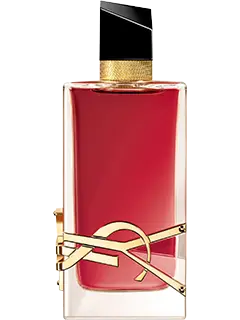
- YSL Libre EDP: Places warm orange blossom against cooler lavender. Their contrast makes the floral sweetness easier to distinguish from the aromatic freshness.
- Kilian Love, Don’t Be Shy: Shows orange blossom in a marshmallow-sweet floral setting. The confectionery impression comes from the surrounding composition, rather than describing the flower on its own.
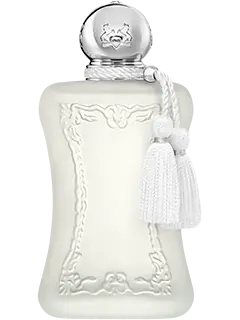
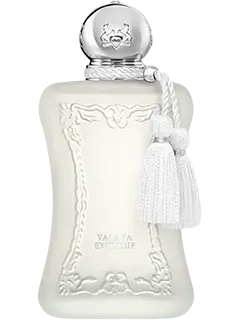
- Parfums de Marly Valaya: Uses orange blossom within an airy white-floral and musky composition. It illustrates the cleaner, linen-like direction this note can take.
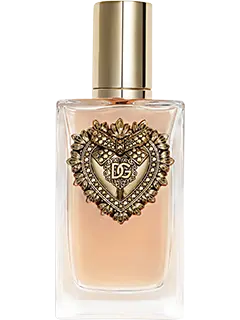
- Dolce&Gabbana Devotion EDP: Sets orange blossom between candied citrus and vanilla. The flower supplies a fresher floral layer within the sweeter gourmand structure.