

Neroli
What Does Neroli Smell Like?
Neroli smells like fresh white blossoms with citrus brightness, a green, slightly bitter edge and soft honeyed sweetness. It can suggest orange-flower soap or a classic cologne, but it is more floral than orange peel and usually lighter and greener than orange blossom absolute.
- Core smell: Fresh white flowers and citrus
- Texture: Airy with soft floral body
- Sweetness: Gentle, sometimes honeyed
- Green edge: Leafy and faintly bitter
- Common association: Orange-flower soap or traditional cologne
- Can feel: Slightly herbal or sharp
- Typical role: Connects citrus freshness with floral softness
- Common position: Opening into the heart
- Often appears in: Colognes, fresh florals, floral amber perfumes
- Pairs well with: Bergamot, petitgrain, musk, orange blossom
- Similar to: Orange blossom and petitgrain
- Different from: Orange peel oil
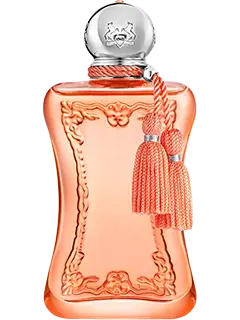
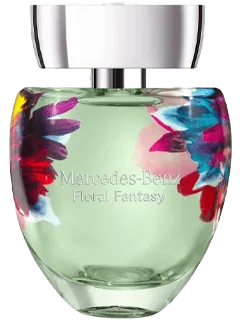
All Neroli Fragrances
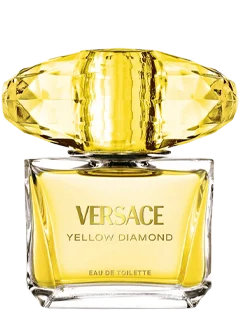
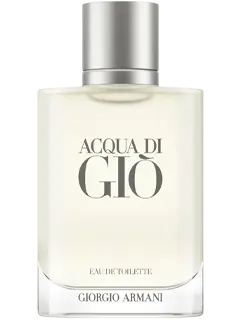
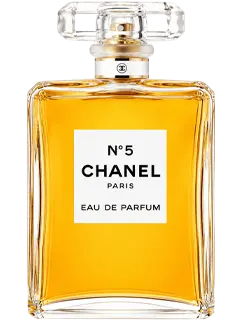
The floral side of neroli
Imagine white flowers beside freshly cut citrus peel, with green leaves in the background. Neroli brings those impressions together: the flowers give it softness, while the leafy edge keeps the sweetness restrained. A gentle honey-like warmth can sit underneath the fresh surface.
Its character changes with the blend. When the green side is emphasized, neroli can feel brisk, herbal or a little sharp. When the petals come forward, it feels softer and more rounded. In a finished fragrance, that combination can suggest scented soap or a traditional splash of cologne. The soapy impression depends on the surrounding materials, rather than appearing equally in every neroli perfume.
Where does neroli come from?
Natural neroli is an essential oil obtained by distilling the flowers of the bitter orange tree, Citrus aurantium var. amara, with water or steam. The flowers provide the oil’s fresh floral character. Different origins and batches can shift the balance between its sweet, green and deeper floral facets.
Perfumers can also recreate a neroli effect with blends of aromatic materials, or combine those blends with the natural oil. A note list describes the intended smell; it does not reveal the complete formula or the proportion of natural neroli used. This helps explain why two perfumes listing neroli can have noticeably different textures.
Neroli vs orange blossom, petitgrain and orange peel
Several materials come from the bitter orange tree. The part used and the extraction method help explain their different smells:
- Orange blossom: A broader name for the flower’s scent. Orange blossom absolute is obtained through solvent extraction and usually feels fuller, warmer and more richly floral than neroli. Perfume accords can soften that distinction.
- Petitgrain: Distilled from leaves and twigs. It shares some of neroli’s freshness, but has a more leafy, woody and herbal emphasis.
- Bitter orange peel oil: Comes from the fruit’s rind. Its character centers on citrus zest, while neroli has a recognizable floral body.
What does neroli do in a fragrance?
Neroli often appears in the opening and carries freshness into the floral heart. In a citrus composition, it gives the bright first spray a softer, more petal-like continuation. In a fuller white-floral perfume, it can provide lift around richer flowers.
It can lead a composition or support a larger floral accord. Its familiar association with cologne does not limit it to that style: neroli also appears in sweet amber and gourmand fragrances. How long its character remains noticeable depends on the complete blend, including any materials used to reinforce the floral effect.
What pairs well with neroli?
- Bergamot and other citrus notes: Emphasize the bright, sparkling side and create a clear transition from peel-like freshness to flowers.
- Petitgrain and aromatic herbs: Bring the green side forward, making the floral sweetness feel drier and brisker.
- Orange blossom and jasmine: Give the flower accord more body, with neroli supplying a fresher edge.
- Musk and soft woods: Can turn the floral freshness into a smooth, freshly washed impression.
- Vanilla and sweet amber accords: Place the fresh flower against a warmer background, changing how sweet the finished perfume feels.
How to recognize neroli in a perfume
Follow the fragrance as its initial citrus burst settles. Look for a fresh floral layer that remains alongside a leafy or slightly bitter edge. That combination is a useful clue, although neroli can merge closely with orange blossom, petitgrain and other flowers. A strongly soapy perfume is not automatically a neroli perfume; compare the floral and green qualities as well.
Perfumes that show different sides of neroli
- Louis Vuitton Imagination EDP: Shows neroli in a bright citrus composition with ginger, black tea and ambrox. Its clean floral layer helps connect the sparkling opening with the smoother tea-and-wood character.
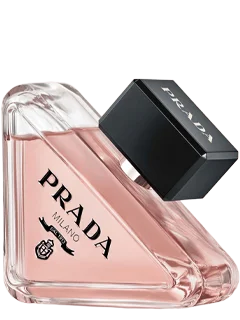
- Prada Paradoxe EDP: Places a crisp neroli-bud effect within a sweet floral amber fragrance. Amber and musk give the flowers a warmer, more diffusive setting.
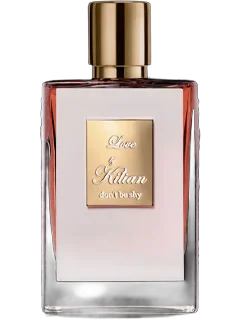
- Kilian Love, Don’t Be Shy: Uses neroli in a much sweeter floral setting with orange blossom and marshmallow. Here it supplies floral brightness within a gourmand composition; the sugary character belongs to the wider blend.