What gives lavender its herbal-floral smell?
Dried lavender buds provide a useful reference: there is floral softness, but also the dry, leafy smell of an aromatic herb. A slight powdery sweetness rounds out the scent, while a cool, camphor-like facet can give it a sharper edge. It feels less lush than jasmine and less juicy than a citrus note.
The balance between those facets matters. A more floral lavender can seem delicate and gently sweet; a more camphorous version can suggest medicinal balms or brisk aftershave. The familiar clean association does not mean lavender always smells like laundry detergent. Its herbal character can remain quite distinct, especially in a less sweet composition.
Natural lavender and the lavender note in perfume
True or fine lavender usually refers to Lavandula angustifolia. Its essential oil is obtained by distilling the flowering tops. Lavender absolute is a different extract, produced through solvent extraction and purification. It can have a warmer, sweeter, more hay-like character than the distilled oil, so the two materials do not give an identical impression.
A perfume’s lavender effect can also be shaped with aroma chemicals. Linalyl acetate, for example, has lavender and bergamot-like qualities and can help build that fresh aromatic character. These materials may be combined with natural extracts. A lavender note in a fragrance description therefore identifies a smell, rather than guaranteeing one particular botanical species or extraction method. A single lavender-smelling molecule is also not the same as the complete essential oil.
How lavender changes a fragrance
Lavender often helps establish the opening and continues into the heart, linking brighter notes with the body of the perfume. It is a familiar part of fougère fragrances, where aromatic freshness meets warmer, drier elements. Depending on the composition, it can lead the scent or simply keep richer notes from feeling too heavy.
Its surroundings change how it comes across. Citrus and green herbs can emphasize its briskness, while white florals bring out a softer floral side. Vanilla can make the overall impression creamy and comforting without removing the herbal edge. Lavender can consequently feel sharp, powdery, floral or sweet in different perfumes, even when the note remains recognizable.
Which notes pair well with lavender?
- Bergamot: The aromatic citrus peel of bergamot brightens lavender and reinforces its fresh side. The combination often feels crisp and cologne-like.
- Orange blossom: Fuller white-floral sweetness creates a contrast with lavender’s cooler herbal character. This pairing can make lavender feel more floral without completely smoothing away its sharpness.
- Vanilla: Warm sweetness softens the aromatic edges. Depending on the balance, the result can suggest sweet shaving soap or a creamy vanilla fragrance with a noticeable herbal lift.
- Woods: Woody notes give the freshness a drier frame. They can help lavender feel more restrained and grounded, particularly when the composition contains little gourmand sweetness.
Lavender, lavandin and similar herbs
Lavandin is a hybrid of true lavender and spike lavender. It commonly has a more forceful herbal and camphorous character than fine lavender, although the exact profile varies. Lavender oils can also have pronounced camphor facets, so a sharp or medicinal impression alone does not prove that a fragrance uses lavandin.
Rosemary shares lavender’s aromatic freshness but often feels more bracing and less softly floral. Clary sage also overlaps with its herbal-floral character, but can bring warmer hay-like, ambery or tobacco-like nuances. These notes frequently work together, which can make individual herbs harder to separate in a finished fragrance.
How to recognize lavender in a perfume
Pay attention to the first spray, then return to the scent as the brightest citrus or mint settles. Look for a dry floral-herbal thread that remains between the fresher opening and the warmer notes underneath. In a sweet perfume, lavender may register as a slightly sharp, clean edge around vanilla rather than as an obvious lavender sachet.
A soapy impression can be a clue, but it is not proof: several materials can create that effect. Comparing contrasting lavender fragrances is more useful than expecting every example to reproduce the smell of the plant.
Perfumes that show different sides of lavender
These examples illustrate different uses of the note, from dry aromatic freshness to a softer floral or vanilla setting.
- Drakkar Noir EDT: Lavender sits among citrus, green herbs and darker woody-mossy notes. It shows the brisk, dry side of the classic barbershop style.
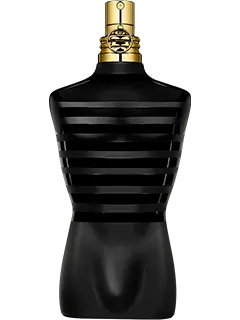
- Jean Paul Gaultier Le Male EDT: Mint brightens lavender’s shaving-soap character, while vanilla makes it sweeter and softer. The aromatic core remains recognizable through that warmth.
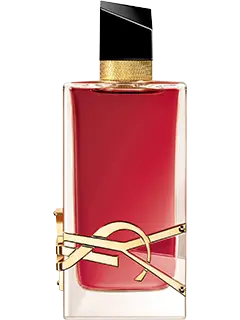
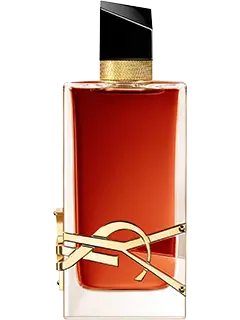
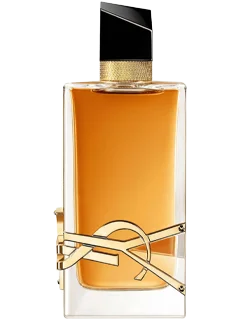
- YSL Libre EDP: Cool lavender contrasts with fuller orange blossom, then softens into vanilla and musk. It demonstrates lavender as a defining part of a white-floral fragrance.
- Burberry Goddess EDP: Lavender gives a fresh herbal edge to a fragrance centered on vanilla. Its role is especially clear near the opening, before the sweeter, creamier character becomes more prominent.