What does cardamom smell like in perfume?
A useful reference is the aroma released when a green cardamom pod is cracked and its dark seeds are crushed. There is a penetrating herbal freshness, followed by rounded spice, a little sweetness and a soft woody undertone. The cooler edge can recall eucalyptus, while a citrus-like brightness keeps the smell lively.
In an airy fragrance, that freshness may be easiest to notice. Against richer woods or vanilla, cardamom can seem warmer and smoother. When its camphoraceous side is emphasized, the same note can feel sharp or faintly medicinal. This variation helps explain why two cardamom perfumes can make very different first impressions.
Where does the cardamom note come from?
Cardamom in perfumery usually refers to green cardamom, Elettaria cardamomum, the spice familiar from tea, coffee and cooking. Its aromatic seeds can be steam-distilled to produce an essential oil. Perfumers also have access to cardamom absolutes and other extracts, which are different preparations of the natural material.
A fragrance’s note list describes its intended smell rather than revealing its formula. The word “cardamom” therefore does not establish whether the effect comes from essential oil, a reconstructed accord or a combination of materials.
Black cardamom has a stronger smoky character. That darker profile should not be assumed whenever a perfume simply lists cardamom.
What does cardamom do in a fragrance?
Cardamom often works in the opening and early heart, giving citrus, herbs and woods a fresh spicy connection. Its brighter facets can be easier to separate at first; as the fragrance develops, the spice may become more closely blended with the floral or woody body.
Its role can range from a recognizable opening signature to a supporting accent that makes a richer composition feel brighter. The material, its dosage and the surrounding formula all affect how long it remains noticeable. A listed top note does not disappear at a fixed minute, and a long-lasting perfume does not necessarily keep a distinct cardamom smell throughout its wear.
What pairs well with cardamom?
- Bergamot: The aromatic citrus character of bergamot extends cardamom’s brightness, creating a fresh opening with more spice than a straightforward citrus scent.
- Lavender: Alongside lavender, cardamom connects herbal freshness with warmer notes beneath it. The combination can feel clean, softly spicy and aromatic.
- Sandalwood: The rounded woody character of sandalwood gives the spice a smoother setting, while cardamom adds definition around the creamier wood.
- Vanilla: With vanilla, its spice can suggest cardamom pastries or a sweetened drink. The dessert impression comes from the combination; cardamom alone is much less sugary.
- Tea and coffee: These notes bring familiar spiced-drink associations into focus. A creamy chai effect also depends on the rest of the composition, since cardamom itself does not supply a milky smell.
How is cardamom different from other spicy notes?
Ginger and coriander seed also belong to the fresher side of the spice palette. Ginger often gives a sharper, zestier impression, while cardamom has a distinctive aromatic coolness around its softer warmth. Coriander seed shares some of its citrus-spice brightness, so the two can be harder to distinguish in a heavily blended fragrance.
Cinnamon and clove generally suggest a hotter, denser kind of spice. Cardamom can sit beside them while contributing a greener, more refreshing accent. If a perfume smells spicy, look for that combination of cool freshness and rounded warmth before identifying the note as cardamom.
How to recognize cardamom in a perfume
Pay attention to the opening, then return to the scent as it settles. Look for an aromatic spice that feels cooling at its edges, with hints of citrus peel or eucalyptus. Beside vanilla, it may register as a fresh interruption in the sweetness; beside woods, it may be part of the crisp first impression.
Comparing two contrasting fragrances is useful. A sweet vanilla composition and a drier woody one can reveal different sides of the note. Neither needs to smell exactly like the spice jar for cardamom to have a recognizable role.
Perfumes that show different sides of cardamom
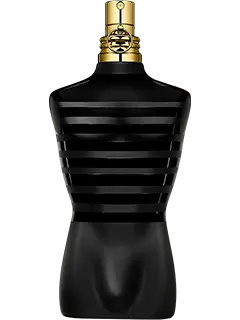
- Jean Paul Gaultier Le Male Le Parfum Eau de Parfum Intense: A recognizable cardamom opening leads into lavender, powdery iris and vanilla. It shows how fresh spice can introduce a warmer, sweeter fragrance.
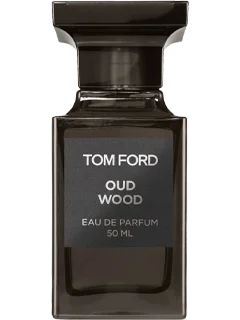
- Tom Ford Oud Wood: Cardamom contributes aromatic brightness around smooth woods. This is a useful contrast to sweeter examples, showing the note within a drier woody composition.
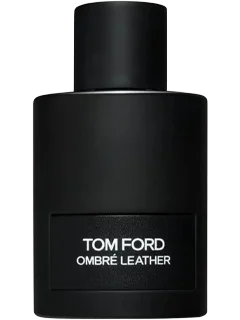
- Ombré Leather EDP: Cardamom gives the opening a spicy lift around the leather. It illustrates a supporting role: leather remains central, with cardamom helping shape the first impression.