What makes bergamot smell different from other citrus?
Imagine the fragrant mist released when you squeeze a piece of citrus peel between your fingers. Bergamot has that immediate zestiness, but underneath it sits a softer, almost floral aroma. Its green and herbal edges keep it from smelling simply like fruit juice, while a gentle fruity sweetness rounds out the bitterness.
The balance changes with the material and the surrounding fragrance. Some bergamot notes feel juicy and rounded; others emphasize dry peel, leafy freshness or a faint lavender-like softness. A clean or soapy impression can emerge when it meets floral notes, but bergamot does not automatically smell like soap.
Is bergamot the scent in Earl Grey tea?
Yes. Bergamot gives Earl Grey its recognizable scented-citrus aroma. It is a useful reference if you have never smelled the fruit or its oil: focus on the fragrant citrus rising above the tea, rather than the darker smell of the brewed leaves.
Bergamot itself is not a tea note. Black tea brings dryness and tannic depth to Earl Grey, so a perfume containing bergamot will not necessarily smell like a cup of tea. That resemblance becomes clearer when citrus and tea notes appear together.
Where does bergamot in perfume come from?
Natural bergamot oil comes from the peel of the bergamot citrus fruit, commonly identified as Citrus bergamia. The oil is typically extracted by cold pressing, and Calabria in southern Italy is its principal production region. Descriptions such as Italian bergamot or Calabrian bergamot usually indicate origin rather than a separate fragrance family.
A perfume’s note list describes its scent, rather than revealing its complete formula. A bergamot effect may involve natural oil, a reconstructed blend of aroma materials, or both. The note name alone does not establish which materials were used.
How does bergamot behave in a fragrance?
Bergamot is usually easiest to notice near the beginning, when its citrus brightness gives the first spray an immediate sense of freshness. As the perfume develops, the obvious peel-like impression often softens and blends into flowers, herbs or woods. Its aromatic character can help connect the opening to the heart.
It can also provide contrast in a rich fragrance. A warm vanilla or amber perfume may open with brisk bergamot before revealing its deeper character. Equally, a long-lasting perfume can contain bergamot without keeping a clearly recognizable citrus smell throughout the wear.
What pairs well with bergamot?
- Neroli and orange blossom: Bring its floral side forward, creating fragrant citrus freshness that can feel clean and softly soapy.
- Lavender: Adds a drier herbal character, moving the blend toward aromatic cologne and fougère styles.
- Tea: Introduces a dry contrast to the bright peel. Depending on the tea accord, the result can suggest Earl Grey or a less literal citrus-tea combination.
- Woods, amber and vanilla: Give the citrus a richer backdrop. Bergamot provides brightness against woody dryness, resinous warmth or creamy sweetness.
Bergamot vs lemon, sweet orange and neroli
- Lemon: Often feels sharper and more directly sour. Bergamot has a rounder aromatic character, with more noticeable green and softly floral nuances.
- Sweet orange: Usually suggests sweeter, rounder fruit and juice. Bergamot leans more toward fragrant peel, with a bitter-green edge that keeps it from feeling as sugary.
- Neroli: Comes from bitter-orange flowers and is more distinctly floral. Both can feel fresh and green, but neroli suggests blossoms while bergamot centers on citrus peel.
How to recognize bergamot in a perfume
Start with the opening and look for aromatic zest rather than sweetness alone. A bright citrus impression with a slightly bitter, green or softly floral edge is a useful clue. Follow how it changes: alongside herbs it may become drier, while flowers can make it feel smoother and more fragrant.
In a blend containing several citrus notes, identifying bergamot separately can be difficult. Its contribution may be the aromatic softness within the whole citrus accord, rather than an obvious standalone fruit smell.
Perfumes that show different sides of bergamot
- Louis Vuitton Imagination EDP: Places bergamot within a broader citrus opening, alongside neroli and a black-tea backdrop. It illustrates how aromatic citrus can connect fresh floral brightness with a drier tea character.
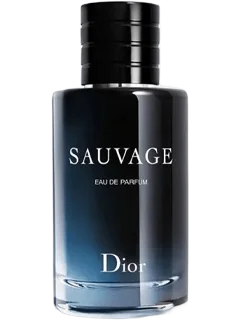
- Dior Sauvage EDP: Shows a juicy, zesty and peppery side of bergamot against aromatic spices and a warmer vanilla-ambroxan base. The freshness is part of a bold composition rather than a simple citrus cologne.
- Guerlain Shalimar EDP: Uses a pronounced bergamot opening against powdery iris and rich vanilla-balsamic warmth. It demonstrates how this fresh citrus note can create contrast in a deep amber fragrance.
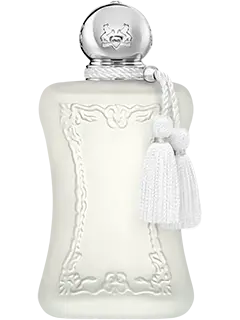
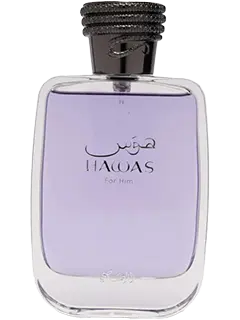
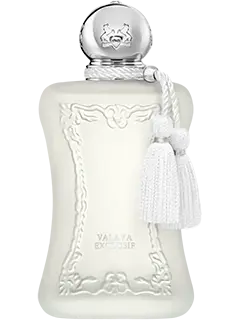
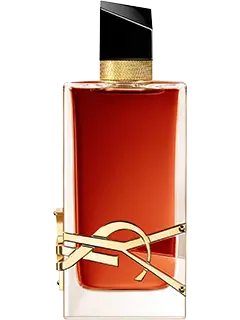
Explore the fragrance list on this page for more perfumes containing bergamot. Some feature it prominently in the opening; others use it quietly to brighten a larger accord.