

Tonka Bean
What Does Tonka Bean Smell Like?
Tonka bean smells warm, sweet and powdery, with almond, vanilla-like creaminess and the dry scent of hay. Some versions also suggest tobacco, caramel or a gentle spice. In perfume, it can create a soft gourmand base or add nutty warmth to a fresher, woodier composition.
- Core smell: Almond, vanilla-like sweetness and hay.
- Texture: Soft, powdery and sometimes creamy.
- Sweetness: Noticeable; varies with the blend.
- Warmth: Rounded and gently balsamic.
- Dry facets: Hay and sweet tobacco.
- Common association: Almond biscuits beside dried hay.
- Typical role: Adds warmth and rounded sweetness.
- Common position: Usually the base; noticeable earlier.
- Often appears in: Gourmand, amber and aromatic fragrances.
- Pairs well with: Vanilla, lavender, sandalwood and tobacco.
- Similar to: Vanilla, almond and sweet hay.
- Can emphasize: Creaminess, powder or dry warmth.
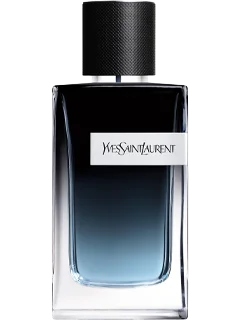
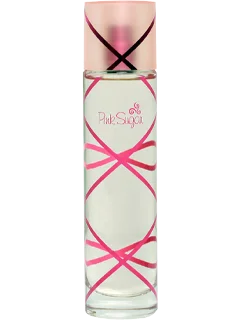
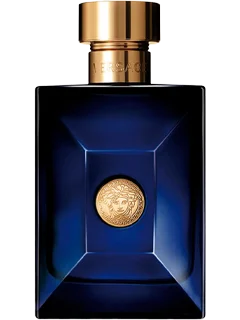
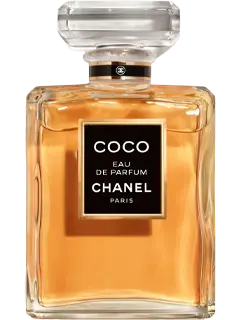
All Tonka Bean Fragrances
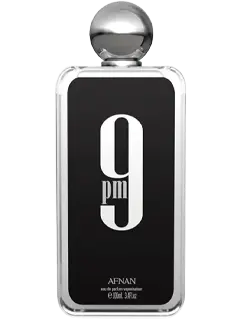
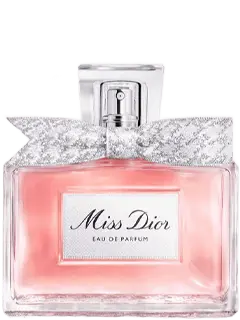

Why tonka bean smells like vanilla, almond and hay
Imagine the smell of almond biscuits beside a bundle of dried hay. Tonka bean sits somewhere between those familiar smells: sweet and softly nutty, with a dry, grassy warmth underneath. Vanilla-like creaminess makes it approachable, while the hay and tobacco facets give it a drier side.
Coumarin, a naturally occurring aromatic compound in the bean, accounts for much of that recognizable hay-like sweetness. The whole extract has more to offer, though. Depending on the material and the surrounding fragrance, you may also notice powder, caramel or a gentle spice. These are scent impressions, not a list of separate ingredients.
In a rich blend, the powdery sweetness can feel dense rather than airy. If you prefer crisp, dry fragrances, pay attention to how much of that sweet warmth remains after the opening settles.
Natural tonka bean, coumarin and tonka accords
Tonka beans are the fragrant seeds of the South American Dipteryx odorata tree. In perfumery, a traditional natural extract is tonka bean absolute, obtained through solvent extraction. It is an absolute rather than a steam-distilled essential oil.
A perfume can also create a tonka effect with coumarin and other aromatic materials. An accord may emphasize creamy almond, powdery sweetness or the drier hay facet. Seeing “tonka bean” in a note list therefore does not tell you the complete formula or prove that natural absolute was used. The note describes the intended smell.
What does tonka bean add to a perfume?
Tonka often gives a fragrance a warmer, fuller finish. Its almond-like sweetness can soften the impression of dry woods, connect spice with vanilla, or add a rounded undertone beneath fresh aromatic notes. In a fresher composition, that sweetness may remain a soft background warmth; in a gourmand, it can become a central part of the scent.
It is commonly presented as a base note, but you may recognize its sweetness before the opening has faded. Follow how that warmth changes as citrus, herbs or flowers become less noticeable. Its presence alone does not determine the longevity of the finished perfume.
Which notes pair well with tonka bean?
The surrounding notes help determine which side of tonka you notice. These combinations are useful reference points when comparing fragrances:
- Vanilla and benzoin: Emphasize a softer, sweeter, more dessert-like impression.
- Almond and cocoa: Bring the nutty facets into a richer gourmand setting.
- Tobacco and warm spices: Draw attention to tonka’s drier warmth.
- Sandalwood and coconut: Create a creamy setting for its sweetness.
- Citrus, aromatic notes and musk: Place an almond-like warmth beneath a fresher composition.
Tonka bean vs vanilla, almond and tobacco
Vanilla is the closest familiar comparison, but tonka usually adds a more obvious nutty, powdery or hay-like dimension. A perfume containing both can make the distinction difficult to pick out; its creamy sweetness may come from their combined effect.
Almond overlaps with tonka’s nutty side. Look for the accompanying dry warmth rather than using an almond impression alone as proof of tonka.
Its tobacco-like facet can suggest sweet, dried leaves without smelling smoky. Describing that facet does not mean a fragrance also contains a separate tobacco note.
How to recognize tonka bean in a fragrance
Follow the perfume beyond its first burst of freshness. Look for a soft almond-like sweetness, a powdery texture and a dry warmth reminiscent of hay. Some compositions make the creamy side much easier to notice; others place tonka beside spice or woods.
Use the note list as a clue, then compare fragrances with different surroundings. Smell alone cannot reliably separate tonka absolute from a coumarin-based accord, especially in a complex blend. Learning the recurring combination of sweetness, nuttiness and dry warmth is more useful than trying to identify every material.
Perfumes that show different sides of tonka bean
Jean Paul Gaultier Le Beau Le Parfum Eau de Parfum Intense shows tonka in a creamy, tropical setting. As the brighter fruit softens, tonka and sandalwood reinforce the warmth beneath the coconut. It is a useful example of how the note contributes to a sweet, woody dry down.
Jean Paul Gaultier Le Male Elixir Parfum places tonka in a richer aromatic-amber blend with lavender and benzoin. Its honeyed, tobacco-like warmth becomes easier to notice as the initial freshness recedes, showing a denser side of the note.
Carolina Herrera Good Girl EDP combines roasted tonka and cocoa beneath jasmine and tuberose. Here, tonka contributes a warm, nutty sweetness within a substantial floral composition. Almond and cocoa also shape that impression, so the full effect comes from the blend.