

Geranium
What Does Geranium Smell Like?
Geranium smells rosy, green and herbal, with a cool minty edge. Think of rose petals alongside freshly crushed aromatic leaves: in perfume, it often brings a crisp floral freshness that feels lighter and sharper than a rich rose bouquet.
- Core smell: Rosy, green and herbal
- Texture: Crisp and leafy
- Freshness: Cool, with a minty edge
- Sweetness: Gentle floral sweetness
- Common association: Rose petals and crushed aromatic leaves
- Can feel: Sharply herbal or slightly metallic
- Typical role: Links floral and aromatic freshness
- Common position: Often the heart, with fresh opening facets
- Often appears in: Fougère, aromatic and rose fragrances
- Pairs well with: Lavender, citrus, rose and woods
- Similar to: Rose with a leafy, minty edge
- Not the same as: Rose oil or isolated geraniol
All Geranium Fragrances
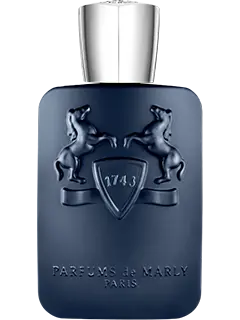
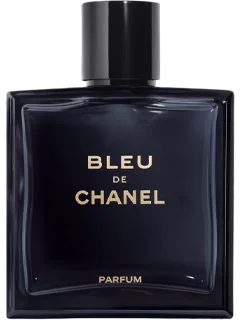
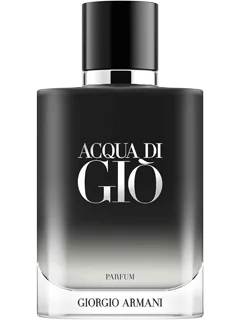

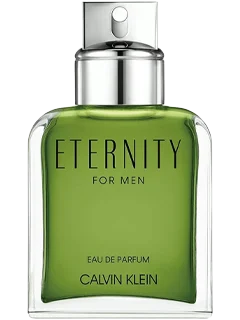
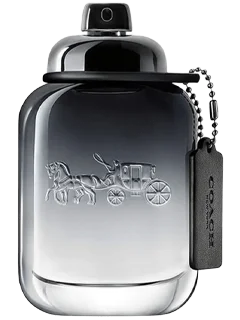
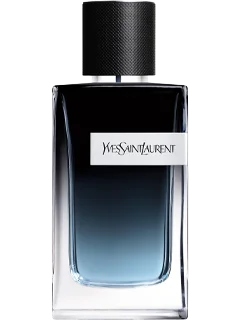
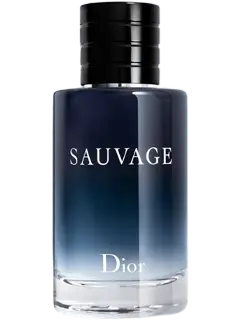
What gives geranium its rosy, green smell?
The distinctive part of geranium is the way its floral and leafy sides arrive together. There is a recognizable rose-like softness, but a brisk herbal edge runs through it. A faint minty impression gives the scent a coolness, while some materials also have a little fruity sweetness. The result can feel floral without becoming a full bouquet.
The balance changes from one material or composition to another. A rosier geranium feels rounder and softer; a greener interpretation brings the crushed-leaf character forward. A sharp or slightly metallic edge can also appear, particularly when the surrounding fragrance is dry and fresh.
What does geranium essential oil smell like?
Geranium essential oil has a concentrated rosy-herbal smell with green and minty facets. It is generally distilled from the leaves and other above-ground parts of scented Pelargonium plants, including plants described as Pelargonium graveolens and related cultivated hybrids. Although the plant bears flowers, its aromatic foliage is the more useful reference for understanding the perfume material.
The oil’s scent varies with the plant variety and origin. Egyptian geranium, for example, can combine a strong leafy character with rose, mint and a touch of fruitiness. This variation helps explain why two geranium materials may smell noticeably different while still belonging to the same recognizable scent profile.
A geranium note in a finished perfume does not identify the complete formula. Perfumers can use the natural oil, aroma chemicals that reproduce particular facets, or a combination of both. The finished effect may emphasize the rosy softness, sharpen the green character or blend so closely with other herbs that it is difficult to separate.
Geranium, rose geranium and rose: what is the difference?
Rose geranium commonly refers to rose-scented Pelargonium plants and their material. The name does not automatically mean geranium oil mixed with rose oil. Scented pelargoniums have a wide range of leaf aromas, so the plant variety still matters.
Compared with many rose notes, geranium usually has a more obvious leafy, herbal and minty character. Rose itself can also smell green and fresh, so the distinction is not simply sweet versus dry. Geranium’s combination of floral softness and aromatic bite is the more useful clue.
Geraniol is different again: it is an individual aroma chemical with a fresh rose-like smell and is one component found in geranium oil. It is not the complete oil, and seeing geraniol on an ingredient label does not establish that geranium is a recognizable note in the fragrance.
How geranium is used in perfume
Geranium is often part of the heart of a fragrance, although its fresher facets can be noticeable from the opening. It helps connect bright citrus or herbs with a fuller floral and woody body. In fougère compositions, it contributes to the familiar fresh, groomed character; in rose accords, it can reinforce the floral impression while adding a greener edge.
Its surroundings determine which side becomes easiest to notice:
- Lavender: Lavender’s herbal-floral character blends with geranium to create a rounded aromatic heart.
- Citrus: Bergamot and lemon make the combination feel brighter and more brisk.
- Rose: The shared rosy facets reinforce the floral character, while geranium contributes leafy freshness.
- Woods and mossy notes: These give the fresh floral-herbal impression a drier, more grounded setting.
How to recognize geranium in a fragrance
Look for a fresh floral quality inside the herbal part of the scent, especially as the initial citrus or fruit begins to settle. Geranium can suggest a lightly rosy leaf rather than an obvious rose perfume. Its minty edge is usually woven into that character, whereas a distinct mint note may be easier to identify on its own.
Freshness alone is not enough to identify it. Lavender, sage, citrus and other materials can overlap with geranium, so the rose-like softness beneath the green character is a useful additional clue.
Perfumes that show different sides of geranium
- Creed Green Irish Tweed: Geranium sits alongside lavender and peppermint in a fresh, green composition with mossy woods underneath. It illustrates how the note can feel leafy and aromatic without creating an obvious rose bouquet.
- Yves Saint Laurent Y Eau de Parfum: Geranium contributes crisp floral freshness to the sage-led heart, between the fruity opening and sweeter woody base. It shows the note’s role in a modern aromatic fragrance.
- Calvin Klein Eternity for Men Eau de Parfum: Geranium shares the heart with cypress, lavandin and nutmeg, above a deeper suede and vetiver base. This gives its green-floral character a warmer, woodier context.
These examples show geranium within complete compositions. None should be treated as the smell of geranium oil on its own.