The warm, salty and animalic sides of ambergris
The easiest way to picture ambergris is warmth with a trace of the sea: softly sweet, musky and slightly salty. In a gentle interpretation, it can suggest warm skin after a day near the coast. A darker interpretation may bring tobacco-like, leathery or animalic nuances.
The balance matters. Ambergris can make a scent feel rounded and intimate, while some modern recreations emphasize dry wood and a mineral sharpness. Neither extreme describes every ambergris perfume. Sweetness, saltiness and strength depend on the material used and everything surrounding it.
What is natural ambergris?
Natural ambergris is a waxy substance formed in the digestive system of sperm whales. It is not a plant resin or an essential oil. The familiar nickname “whale vomit” oversimplifies its origin: it forms in the intestines, and exactly how it leaves the whale has been debated.
Fresh material can smell strongly unpleasant and fecal. Exposure to air and the sea changes it over time, producing the softer musky character associated with aged ambergris. Perfumers have traditionally worked with it as a tincture, made by steeping the material in alcohol. A good aged tincture can be delicate and persistent without smelling forceful.
Does an ambergris note mean natural ambergris?
No. Modern perfumery commonly recreates aspects of ambergris with aroma chemicals or blended accords. Materials such as Ambroxan and Ambrofix provide lasting woody, ambery effects; different recreations can emphasize musky softness, tobacco dryness or mineral facets.
These materials are not the same thing as the complete natural substance. They reproduce selected aspects of its smell and behavior. When a perfume lists ambergris, treat that as a description of its scent unless the brand separately confirms the use of natural ambergris. The note name alone does not identify the source.
Ambergris vs amber, Ambroxan and musk
- Amber: A traditional amber accord often combines vanilla-like sweetness with resins such as labdanum. It tends to feel sweeter and more resinous; ambergris has a different origin and can suggest softer marine or animalic warmth.
- Ambroxan: Ambroxan is an aroma chemical associated with ambergris effects, especially dry woody and mineral facets. It is one way to build that impression, rather than a synonym for natural ambergris.
- Musk: Musk overlaps with ambergris in softness and skin-like warmth. A cottony or powdery musk effect is different from ambergris’s marine or tobacco-like nuances, although both can appear together.
How perfumers use ambergris effects
Natural ambergris has historically been valued as a fixative and a subtle base material. Its contribution can be the way a blend feels smoother and more complete, rather than an obvious standalone smell.
Modern ambergris materials can be much more assertive. Some provide a diffusive woody presence from the opening through the dry down, so a base-note listing does not mean they only become noticeable at the end. The strength of a finished perfume comes from the whole formula, not the ambergris label alone.
What pairs well with ambergris?
- Citrus and aquatic notes: Place bright freshness over a warmer, more persistent base.
- Rose and jasmine: Combine floral fullness with musky depth; the result can feel intimate or expansive depending on the formula.
- Sandalwood and other woods: Connect creamy or dry wood textures with the ambergris effect.
- Vanilla and resins: Bring richer sweetness around its drier or saltier facets.
Perfumes that show different sides of ambergris
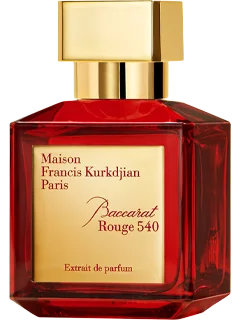
Baccarat Rouge 540 Extrait de Parfum illustrates a modern mineral interpretation. Its ambergris accord sits within a sweet, almond-accented woody and musky composition. Notice the dry mineral character beneath the sweetness rather than treating the sugary smell itself as ambergris.
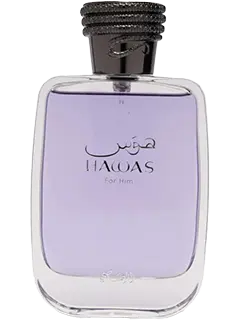
Rasasi Hawas for Him EDP places an ambergris effect in a fresh aquatic setting. Its marine freshness meets a musky, woody base, showing how this note can support a sporty fragrance.
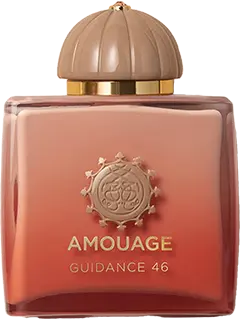
Amouage Guidance 46 Extrait de Parfum takes a richer direction, blending ambergris with rose, frankincense, sandalwood and other base materials. It is a useful comparison for understanding ambergris within a dense floral and woody structure, though less suited to isolating the note.
When comparing these fragrances, let the brightest opening notes settle and look for the persistent warmth beneath the fruit, flowers or sweetness. These are examples of an ambergris effect in a blend, rather than reference samples of raw natural ambergris.