What does amber smell like in a perfume?
Think of vanilla mixed with the sweet, slightly smoky smell of resin. A classic amber has that rounded richness, often with a dry, leathery edge underneath. It can suggest warm balsam, soft powder or a faint caramelized sweetness, depending on how the accord is built.
In fragrance descriptions, balsamic means a warm, resinous sweetness, not the sharp smell of balsamic vinegar. This quality gives amber more depth than a straightforward sugary note. A sweeter version may feel plush and almost edible; one with more resin can seem darker, drier or faintly animalic.
Those differences matter when choosing a perfume. Enjoying a soft vanilla amber does not necessarily mean you will enjoy a smoky, leathery interpretation. Both can belong to the same broad scent style.
What is amber made from?
Amber is usually an accord: several materials blended to create one recognizable scent impression. A classic construction combines some of the following:
- Labdanum: Resinous depth with warm, leathery and sometimes animalic facets.
- Benzoin: Sweet balsamic softness with a vanilla-like character.
- Vanilla or vanillin: Sweetness and a smooth, sometimes powdery finish.
Perfumers may add tonka, musks, other resins or woody materials to change the balance. There is no universal amber recipe, and a note list does not reveal the formula. The accord can combine natural extracts and synthetic ingredients; the word amber alone tells you neither their proportions nor their origin.
The fossilized resin used in amber jewelry is a different thing. The familiar warm amber smell in a perfume is generally composed by the perfumer, rather than extracted from that stone.
Why is amber often used in the base?
Classic amber accords draw on persistent materials that give a perfume body as brighter notes fade. They can round off sharp edges, support spices and leave a warm background beneath flowers or woods.
That warmth may be noticeable from the first spray, even when amber is listed as a base note. Its presence also does not guarantee a particular wear time or strong projection: the complete formula determines how a fragrance develops and lasts.
Amber, ambergris and Ambroxan: how do they differ?
Ambergris is a separate, historically animal-derived perfume material with marine, musky, woody and animalic facets. It is distinct from the sweet resin-and-vanilla accord usually meant by classic amber.
Ambroxan is an aroma chemical associated with the ambergris effect. Its woody, musky and sometimes mineral or salty character can feel drier than a traditional balsamic amber. It may contribute to an ambery composition, but one molecule and a complete accord are different things.
Amber woods is another description you may encounter. Treat it as a clue to an ambery, woody effect rather than a disclosed recipe. These overlapping names help explain why two fragrances described as ambery can smell quite different.
Which notes pair well with amber?
- Vanilla: Emphasizes the soft sweetness and can move the composition toward a gourmand style.
- Tonka bean: Adds a powdery, almond-and-hay-like warmth alongside the resins.
- Spices: Pepper or cinnamon-like notes make the warmth feel drier, livelier or more heated.
- Woods and patchouli: Add dry or earthy contrast to a sweet amber base.
- Flowers: Rose, jasmine or orange blossom can sit above the warmer accord, creating a floral perfume with a richer foundation.
Perfumes that show different ambery styles
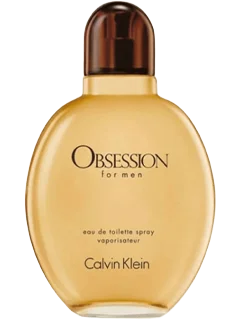
Calvin Klein Obsession for Men EDT places amber alongside warm spices, myrrh and woods. It illustrates a drier, more aromatic style in which resinous warmth becomes clearer as the citrus opening settles.
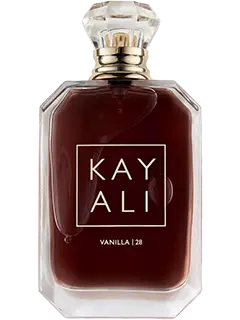
Kayali Vanilla 28 shows the sweeter direction. Vanilla, tonka and brown sugar lead, while amber woods, musk and patchouli give the base depth. It is useful for understanding how an ambery foundation supports a gourmand perfume.
Prada Paradoxe EDP offers a modern floral ambery example. Its Ambrofix warmth sits with white flowers and musk, showing a different approach from a dense, traditional resin-and-vanilla accord.
How to recognize amber as a perfume settles
Follow what remains beneath the brighter citrus, fruit or flowers. A classic amber often becomes easier to identify as a rounded combination of resinous sweetness, powder and warm depth. Compare that background with the more woody or mineral effect of an ambergris-style material.
Smell the examples side by side if possible. The contrast between spicy, gourmand and floral settings is more useful than expecting every amber perfume to share one identical smell.