Fresh pear, pear nectar and pear candy
Think of the cool juice released when a ripe pear is cut, together with a thin green edge from the skin. A pear accord can emphasize either side: barely ripe fruit feels crisper and more transparent, while a ripe-fruit interpretation suggests soft flesh and thick nectar.
Pear does not have to smell sugary. In a sheer floral, its sweetness can feel diluted, almost like fruit-infused water. In a richer composition, the fruit may suggest pear drops or a glossy syrup. A shampoo-like effect can also emerge when juicy fruit is blended with clean florals and musks.
Is pear a natural perfume ingredient?
The pear note in a fragrance is commonly an accord: several aromatic materials combined to suggest the fruit. It is not one standardized ingredient, and a note pyramid does not reveal how that impression was made.
Pear ester is one material used to create a recognizable juicy pear effect. Certain musks, including Helvetolide, also have pear-like facets and can blend fruitiness into a soft musky texture. These are examples of perfumery materials, not a proposed formula for the fragrances below.
Natural pear extracts do exist, including dsm-firmenich’s Pear Firgood. It would therefore be inaccurate to call every pear note entirely synthetic. Equally, seeing pear in a note list does not establish that a natural extract was used.
Where pear appears in a fragrance
Pear is often easiest to recognize near the beginning, where it gives an opening body and juiciness without the sharpness of citrus peel. It can soften a floral heart or make an aromatic composition feel sweeter and more playful.
There is no fixed point at which the fruit must disappear. Depending on the accord, a pear-like softness can remain after the clearest fresh-fruit impression has faded. The lasting power of a pear perfume also depends on the surrounding musks, woods and other supporting materials.
What pairs well with pear?
- Rose and white flowers: Create a dewy fruity floral, with pear lending juiciness between the petals.
- Musk: Smooths the fruit into a clean, soft texture that can suggest freshly washed hair.
- Vanilla and caramel: Make pear feel rounder and sweeter, moving it toward candied fruit or dessert.
- Patchouli and woods: Add an earthy or dry contrast to the juicy sweetness.
- Lavender and mint: Bring a cool aromatic edge to sweeter pear accords.
Pear vs apple, peach and lychee
Apple accords often suggest a firmer, sharper bite; pear usually evokes softer flesh and less tartness. Peach tends to feel fuzzier and creamier, while lychee often has a more distinctly rosy, tropical character. Pear’s watery juiciness can sit between these impressions.
These comparisons are useful clues rather than strict boundaries. Perfumers can deliberately blur fruits together, so a light pear accord may register simply as clean fruit rather than an unmistakable picture of a whole pear.
Perfumes that show different sides of pear
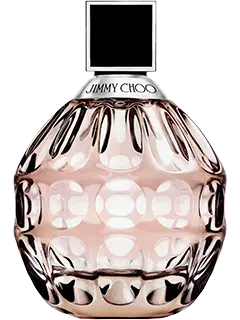
- Jimmy Choo EDP: Ripe pear meets sweet orange, then toffee and patchouli. It shows how juicy fruit can sit above a darker, earthy base.
- Jean Paul Gaultier Ultra Male EDT Intense: Sweet pear contrasts with mint and lavender before blending into vanilla, illustrating the note’s candy-like, aromatic side.
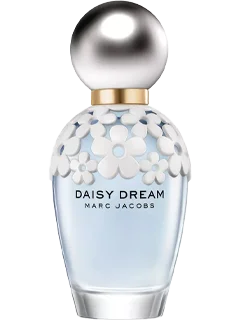
- Marc Jacobs Daisy Dream EDT: Pear shares the opening with blackberry and grapefruit. Sheer flowers and musk make this a lighter, more watery comparison.
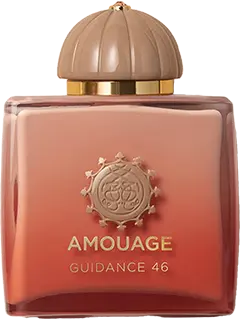
- Amouage Guidance 46 Extrait de Parfum: Pear is surrounded by rose water, hazelnut, bitter almond and frankincense, showing a richer, nutty interpretation rather than simple fresh fruit.
How to recognize pear when sampling
Smell the opening, then return as it settles. Look for a smooth, juicy sweetness with a green edge, and notice whether it becomes watery, candy-like or creamy beside the other notes. Comparing Daisy Dream with Ultra Male can make those differences easier to identify.
A fragrance can list pear without smelling strongly of it. Use the note list as a clue, then judge how clearly the fruit stands out within the whole composition.