Why grapefruit smells both juicy and bitter
Think of breaking a grapefruit peel beside a freshly cut segment. The juicy impression is rounded and mouthwatering, while the peel contributes a drier, slightly green edge. A perfume can bring either side forward: one treatment might suggest chilled fruit, while another feels closer to zest sprayed over dry wood.
A faint sulfurous undertone is also possible in grapefruit materials. Kept in the background, it can make the fruit seem more realistic; more exposed, it can feel pungent. This is a possible facet rather than the defining smell of every grapefruit fragrance, and surrounding notes can soften it considerably.
Is grapefruit in perfume natural?
Natural grapefruit essential oil comes from the peel, commonly extracted by cold pressing. It is not the same as grapefruit juice: the oil captures the aromatic skin of the fruit. Perfumers can also use refined citrus extracts and grapefruit-smelling aroma materials to shape the balance of bitterness, freshness and fruitiness.
One example is Methyl Pamplemousse, a perfumery ingredient with a fresh, bitter grapefruit-peel character. A listed grapefruit note may therefore describe an effect built from several ingredients. It does not reveal whether the perfume uses natural oil, a reconstructed accord or both.
What does grapefruit do in a fragrance?
Grapefruit often makes its clearest impression near the opening, giving heavier woods, musks or spices a bright point of contrast. It can be the main citrus theme or a bitter accent within a mixed citrus accord.
The initial juicy burst usually becomes less obvious as a fragrance settles, although a grapefruit-like freshness may continue through supporting materials. That change is separate from the longevity of the whole perfume: a woody or musky base can remain after the recognizable citrus has softened.
Which notes pair well with grapefruit?
- Bergamot: Broadens the citrus opening with a more aromatic, lightly floral freshness.
- Vetiver: Connects bitter peel with dry, rooty woods.
- Ginger and pink pepper: Add a fresh spicy bite around the citrus.
- Cedar: Gives the zest a crisp woody setting with little need for sweetness.
- Watery accords and clean musks: Turn its freshness toward a cooler, freshly washed effect.
Grapefruit vs. bergamot, lemon and mandarin
- Bergamot: Often feels more floral, aromatic and tea-like. Grapefruit more readily suggests bitter pith alongside juicy fruit.
- Lemon: Tends to give a more pointed, acidic impression. Grapefruit adds a rounder fruity body alongside its bitterness.
- Sweet orange and mandarin: Usually feel softer and sweeter. Grapefruit can be fruity too, but its rind-like bite often keeps the effect drier.
These are useful comparisons, not rigid rules. A sweet grapefruit accord can feel softer than a particularly sharp bergamot treatment, depending on the formula around it.
How to recognize grapefruit in perfume
Smell the opening and ask whether the freshness suggests juice, zest or both. Look for a rounded citrus-fruit impression with a dry bite, rather than only lemon-like sharpness. As the perfume develops, notice whether that bitterness becomes part of the woodiness or fades behind sweeter fruit.
Those clues are not proof of a particular ingredient. Vetiver and other citrus materials can overlap with grapefruit. Comparing perfumes that use it differently is more helpful than expecting to separate every note in a complicated blend on the first sniff.
Perfumes that show different sides of grapefruit
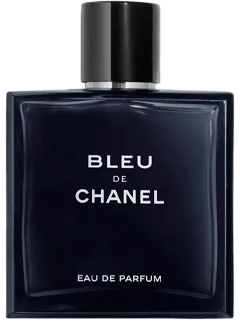
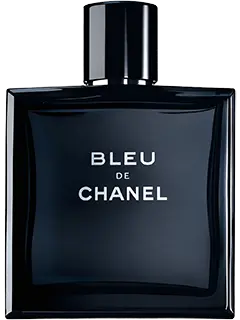
Bleu de Chanel EDT places grapefruit zest against an aromatic cedar-and-sandalwood structure. It illustrates how bitter citrus can feel dry and composed, with little resemblance to a sweet fruit drink.
Creed Absolu Aventus uses grapefruit to sharpen a richer combination of pineapple, ginger, warm spices and smoky vetiver. Here the citrus brings contrast to a substantial fruity-woody fragrance.
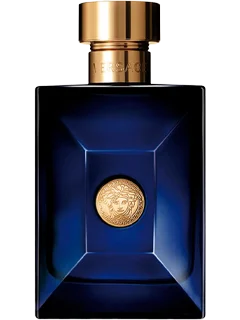
Versace Dylan Blue Pour Homme EDT gives grapefruit a watery, green setting alongside bergamot and fig leaf. Its opening shows the note working within an aquatic aromatic blend rather than standing alone as a grapefruit scent.